The production process of CTIA GROUP LTD tungsten wire knitted gloves is a highly precise textile and material composite process, involving multiple stages from raw material preparation to finished product inspection. The entire workflow emphasizes the handling of tungsten wire, reasonable matching of high-performance fibers, and optimization of knitting structure, ensuring that the gloves possess strong protective capabilities while also taking into account a certain level of comfort and durability.
The production steps of tungsten wire knitted gloves include raw material preparation, yarn preparation, knitting stage, cutting and sewing stage, as well as surface treatment processes.
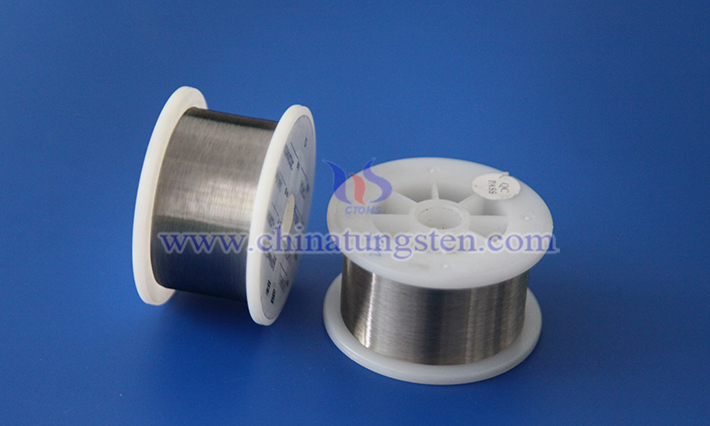
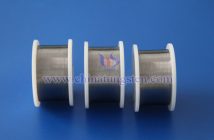
CTIA GROUP LTD Tungsten Wire Image
First is the raw material preparation stage. The core material is fine tungsten wire, which undergoes multiple drawing and annealing treatments to make its diameter very small while maintaining sufficient flexibility and strength. Tungsten wire itself has high hardness and is prone to brittleness, so the drawing process must be carried out under controlled temperature and tension conditions to avoid wire breakage or internal defects. Other raw materials include various high-performance fibers, such as ultra-high molecular weight polyethylene fibers, aramid fibers, Kevlar fibers, or other wear-resistant synthetic fibers. These fibers provide toughness, impact buffering, and improved overall hand feel. Some products also prepare coating materials, such as polyurethane, latex, or neoprene, for subsequent surface treatment.
Next is the yarn preparation. This step is key to influencing the glove's protective performance. Production typically uses core-spun yarn or blended yarn methods: tungsten wire serves as the core yarn, tightly covered by outer high-performance fibers in a spiral or parallel manner to form composite yarn. The core-spun process requires uniform coverage of the tungsten wire by the outer fibers, neither exposing too much tungsten wire which would make the hand feel stiff, nor covering it too thickly which would reduce the hard blocking effect. Blended yarn involves twisting or blending fine tungsten wire with other fibers together to form a more uniform yarn structure. After yarn preparation is complete, it undergoes twist control, hairiness treatment, and tension balancing to ensure a smooth yarn surface, uniform strength, and suitability for subsequent high-speed knitting.
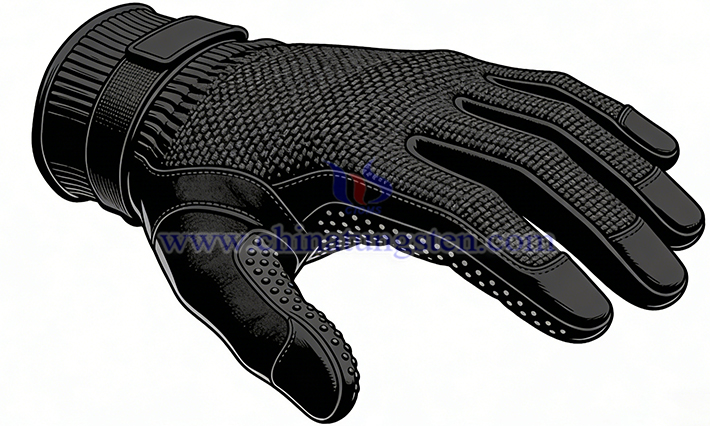
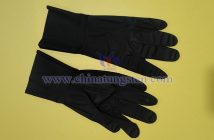
Tungsten Wire Knitted Gloves Image
Once the yarn is prepared, it enters the knitting stage. High-precision computerized flat knitting machines or circular knitting machines are usually used. The knitting density is set to be high, forming a tight mesh structure. During the knitting process, the machine needs to control the yarn feeding speed, needle pitch, and tension to avoid tungsten wire breakage or yarn loosening. Common stitch structures include plain stitch, rib, or composite structures, which allow the blade to confront multiple yarns simultaneously upon contact, increasing cutting resistance. Knitting technicians adjust local density according to different glove parts, such as strengthening protection in the palm and fingertip areas, while appropriately increasing elasticity in the wrist area for easy donning and doffing. The entire knitting process requires a clean, dust-free environment with stable temperature and humidity to prevent static electricity from causing tungsten wire tangling or fiber fly.
After knitting is completed, the glove blank enters the cutting and sewing stage. Cutting uses laser or ultrasonic tools to ensure neat edges and prevent yarn unraveling. Sewing employs high-strength thread and high-density stitch pitch, with key areas such as fingertips, thumb crotch, and palm often reinforced with additional seams or double-layer structures to further enhance puncture resistance. Some products have anti-slip particles implanted or partial thickening layers added at this stage to suit different operational needs.
Subsequently is the surface treatment process. Many tungsten wire knitted gloves are impregnated or coated with an elastic layer. This step is typically completed on a dedicated dipping production line: the glove blank is immersed in the coating liquid, with immersion depth and time controlled, then cured through a drying tunnel. The coating not only enhances grip and stain resistance but also generates additional frictional resistance upon blade contact. Drying temperature and time must be controlled to avoid coating cracking or heat effects on the tungsten wire. Some high-end products undergo secondary coating or localized foam treatment to further improve anti-slip and cushioning effects.
Finally is quality inspection and packaging. The finished gloves must undergo multiple checks including appearance inspection, size measurement, tensile testing, random sampling for cut resistance performance, and comfort trial wearing. Qualified products are cleaned, dried, folded, then vacuumed or moisture-proof packaged, labeled with tags and certificates of conformity, and prepared for shipment.