Tungsten balls used in chemical pump seals typically refer to valve balls made of tungsten carbide. Due to their high hardness, wear resistance, and thermal stability, they are widely used in friction pair materials, especially in scenarios involving media containing solid particles or high temperatures.
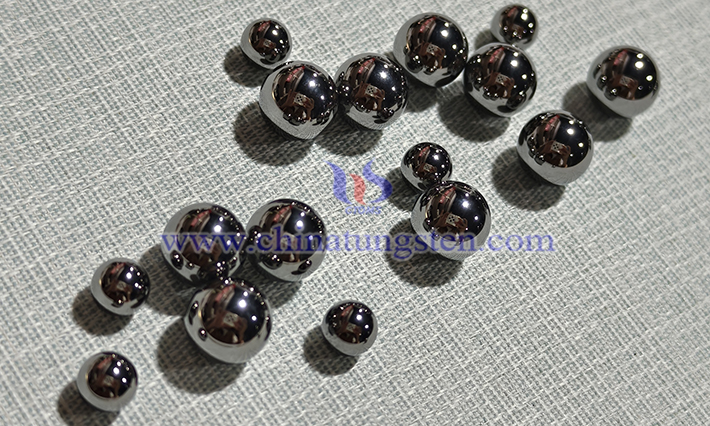
I. Advantages of Tungsten Balls in Chemical Pump Seals
1.1 High Hardness and Wear Resistance: Tungsten carbide has a hardness second only to diamond, effectively resisting scratches and wear from solid particles. When conveying media containing abrasive particles, such as slurries and corrosive liquids, tungsten balls have a significantly longer lifespan than soft materials such as graphite, reducing sealing surface damage and leakage risks.
1.2 Thermal Stability: Tungsten carbide can withstand high-temperature environments, preventing material softening or deformation due to temperature increases. In high-temperature oil pumps or hot media transportation, tungsten balls maintain stable sealing performance, reducing the risk of thermal cracking.
1.3 Chemical Inertness: Tungsten beads exhibit excellent corrosion resistance to most corrosive media such as acids, alkalis, and salts, making them suitable for the corrosive conditions commonly encountered in chemical pumps.
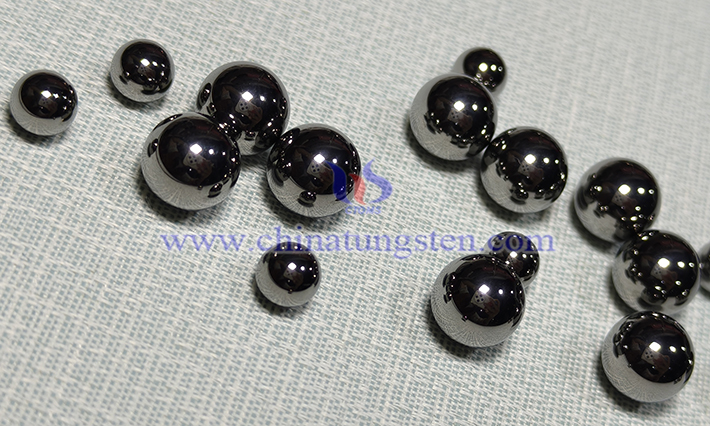
II. Application Scenarios of Tungsten Beads for Chemical Pump Seals
2.1 Media Containing Solid Particles: When chemical pumps transport abrasive media containing sand, ore particles, etc., tungsten carbide-on-tungsten carbide friction pairs are the preferred choice. The high hardness of tungsten beads prevents particles from embedding into the sealing surface, extending service life.
2.2 High-Temperature Media: In high-temperature oil pumps, heat transfer fluid pumps, and other applications, the heat resistance of tungsten carbide is superior to materials such as graphite, preventing seal failure due to temperature increases, such as resin precipitation and carbonization.
2.3 High-Load Conditions: For high-pressure, high-speed chemical pumps, the high strength and fatigue resistance of tungsten carbide ensure the stability of the sealing structure and reduce the risk of leakage.