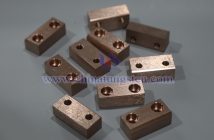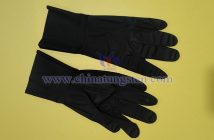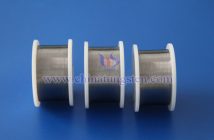
The high density, high hardness, high temperature resistance, corrosion resistance, and excellent radiation shielding properties of tungsten beads make them crucial in medical imaging, radiation protection, and therapeutic equipment.
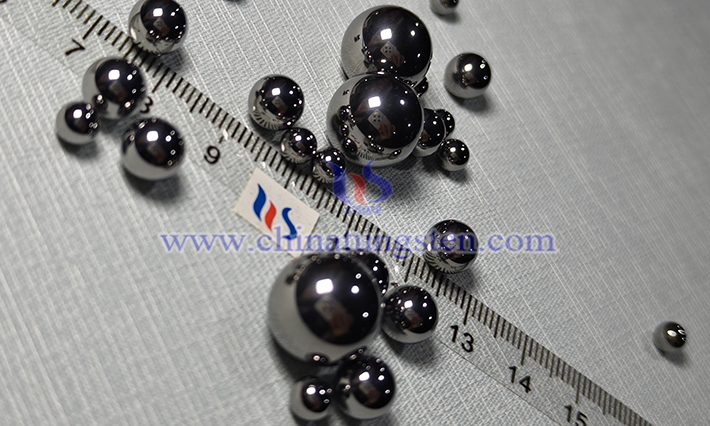
1. Medical Imaging and Radiation Protection
X-ray Tube Target/Anode: Tungsten's high atomic number (74) and high melting point (3410℃) make it the core material for X-ray tubes. In X-ray, CT, and other equipment, tungsten beads or targets efficiently convert electron energy into X-rays while withstanding high temperatures and electron bombardment, ensuring image clarity and equipment stability.
Radiation Shielding Materials: The density of tungsten alloys (up to 18.5 g/cm3) makes them ideal radiation shielding materials, effectively blocking X-ray penetration and protecting medical personnel and patients from radiation damage.
2. Surgical Instruments and Equipment
Minimally Invasive Surgical Instruments: Such as endoscopes and laparoscopes. Tungsten beads can be embedded in the ends or handles of these instruments to balance torque during operation, reduce surgeon fatigue, and improve surgical precision.
Orthopedic Surgical Tools: In high-speed rotating tools such as drills and saw blades, tungsten beads act as counterweights to reduce vibration and improve cutting stability.
Rehabilitation Equipment: In prostheses and orthotics, tungsten beads are used to adjust weight distribution, simulating the mechanical properties of natural human movement.
3. Treatment Equipment and Implants
Radiotherapy and Nuclear Medicine: Radioactive isotopes such as tungsten-188 are used in tumor treatment, destroying cancer cells through targeted radiation. In addition, tungsten alloy spheres can serve as radiation source carriers, precisely targeting the treatment area.
Biomaterial Performance Evaluation: Tungsten spheres simulate the interaction between biomaterials and human tissues, testing the load-bearing capacity and corrosion resistance of artificial joints and implants, providing data support for medical device design.
4. Other Medical Applications
Surgical Robots and Navigation Systems: Tungsten beads are used in gyroscopes to provide precise positioning information for surgical robots, improving surgical accuracy.
Sensors and Monitoring Equipment: Tungsten beads are used as sensor components to monitor patient physiological indicators, providing real-time data feedback to adjust treatment plans.